
Fire safety has become a critical priority for businesses, especially with increasing workplace complexities, the use of modern equipment, and evolving regulatory standards. A well-executed fire risk assessment not only protects employees and assets but also ensures that organizations remain compliant and prepared for emergency situations. In today’s fast-paced work environment, awareness alone is no longer enough, workplaces must adopt structured assessment programs to stay protected.
What Is a Fire Risk Assessment?
A fire risk assessment is a systematic process used to identify potential fire hazards, evaluate existing safety measures, and implement corrective actions to reduce risk. It highlights vulnerabilities within the workplace and guides organizations on how to eliminate, reduce, or manage fire-related threats.
This assessment forms the foundation of a strong fire safety strategy and ensures that every employee understands their role in maintaining a hazard-free environment.
Why Modern Workplaces Can’t Ignore Fire Risk Assessment
1. Increased Use of Technology & Equipment
Modern workspaces rely heavily on electrical systems, digital devices, machinery, and automation tools. While these improve efficiency, they also increase the chances of electrical overload, equipment malfunction, and overheating — all of which can trigger fires.
A fire risk assessment helps monitor these hazards and ensures preventive controls are in place.
2. Compliance With Updated Fire Safety Regulations
Businesses are required to follow fire safety standards, and periodic fire risk assessments are a key part of compliance. Without proper documentation and regular reviews, organizations risk penalties, legal consequences, or closures.
A thorough assessment ensures workplaces meet statutory fire safety requirements and remain audit-ready.
3. Protecting Employee Safety
Employees are the most valuable asset of any organization. A fire risk assessment helps identify evacuation routes, emergency equipment needs, fire extinguisher locations, and employee training requirements.
This proactive approach ensures that everyone knows what to do before, during, and after a fire emergency.
4. Reducing Business Downtime & Financial Loss
Fires can cause significant damage to infrastructure, machinery, data, and operations. A small spark can lead to weeks or months of downtime.
By identifying risks early and implementing corrective measures, businesses can avoid major losses and maintain operational continuity.
5. Strengthening Workplace Safety Culture
Regular assessments encourage employees to stay alert, follow safety protocols, and report hazards. This improves safety awareness and builds a responsible workforce that actively participates in maintaining fire prevention measures.
A strong safety culture is one of the biggest advantages of consistent fire risk assessments.
6. Supporting Modern Building Designs
Today’s workplaces include open offices, co-working setups, advanced HVAC systems, and energy-efficient structures. While these enhance comfort and productivity, they also introduce unique fire safety challenges.
A fire risk assessment ensures that modern layout designs do not compromise safety.
Key Components of a Good Fire Risk Assessment
A professional assessment includes:
- Identification of ignition sources and flammable materials.
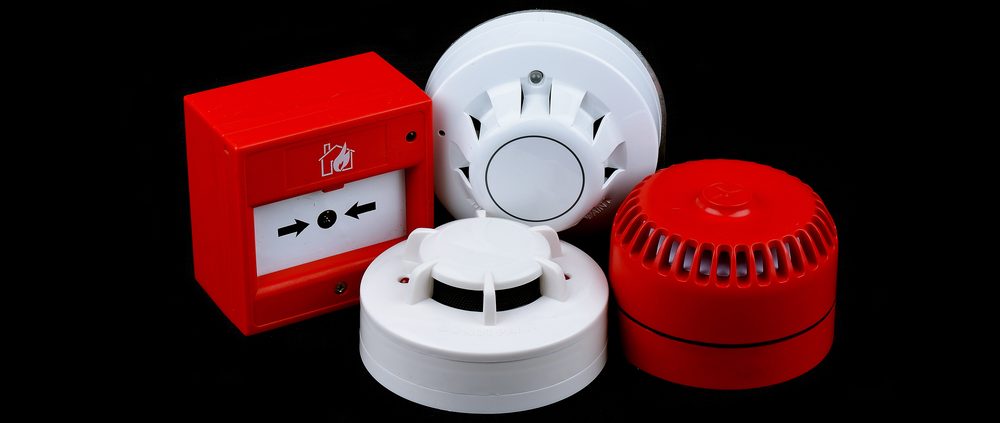
- Evaluation of fire detection and alarm systems.
- Review of firefighting equipment and placement.
- Assessment of evacuation routes and assembly points.
- Employee training and fire drill planning.
- Emergency response strategy and documentation.
- Recommendations for corrective actions.
These insights help workplaces address risks before they escalate.
How Often Should Workplaces Conduct Fire Risk Assessments?
Ideally, businesses should conduct assessments:
- Annually.
- After any workplace renovation or layout change.
- When new equipment or machinery is installed.
- After any fire-related incident.
Regular reviews ensure that safety measures evolve with workplace changes.
Conclusion
In today’s fast-evolving workplace environment, a fire risk assessment is no longer optional — it is a critical responsibility. It protects employees, reduces operational hazards, supports regulatory compliance, and builds a culture where safety becomes a shared priority. With expert assessment and timely preventive measures, organizations can stay prepared for emergencies and ensure a safer, more resilient workplace.
Every session conducted by Life First Solutions concludes with a government-recognized certification, issued to all participants, helping organizations meet audit expectations and comply with all legal fire-safety requirements.
Recent Comments