
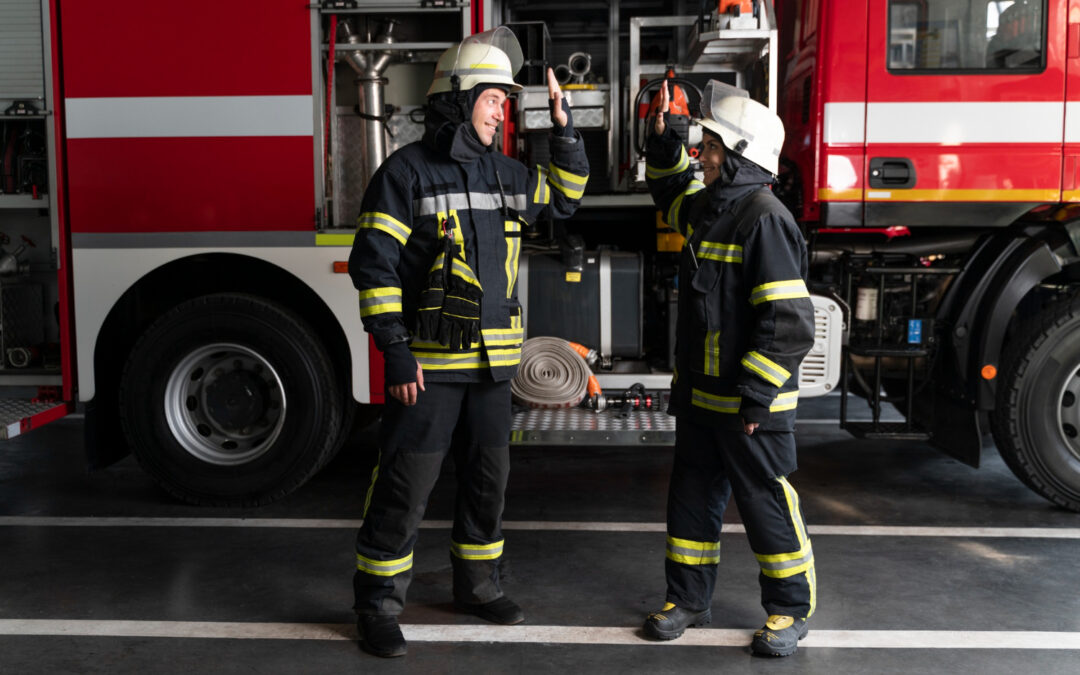
Fire is a destructive force that can cause immense harm to people and property. In many cases, fires can be prevented, or their impact minimized, through effective fire awareness and preparedness. Fire awareness training is a critical aspect of ensuring safety in homes, workplaces, and communities. In this blog post, we will explore the significance of fire awareness training, its key components, and the role it plays in safeguarding lives and property.
The Importance of Fire Awareness Training
Fire awareness training is essential for several reasons:
- Preventing Fire Incidents: Education is the first line of defense against fire. Fire awareness training equips individuals with the knowledge to recognize fire hazards, understand the causes of fires, and take steps to prevent them.
- Early Detection: Recognizing the early signs of a fire is crucial for immediate response. Fire awareness training helps people understand the telltale signs of fire, such as smoke, unusual odors, or sparking equipment.
- Effective Response: In the event of a fire, knowing how to respond can be a matter of life or death. Training provides individuals with the skills to use fire extinguishers, evacuate safely, and assist others during emergencies.
- Reducing Panic: Panic often exacerbates the impact of a fire. Fire awareness training instills confidence and a sense of control during a fire emergency, helping people make rational decisions.
- Protection of Property: Fire awareness training not only focuses on personal safety but also on protecting property. Knowing how to use fire suppression equipment can minimize damage.
Key Components of Fire Awareness Training
Fire awareness training typically includes the following key components:
- Fire Safety Principles: Understanding the principles of fire safety, such as the fire triangle (heat, fuel, oxygen), is fundamental to preventing and combating fires.
- Fire Hazards: Identifying common fire hazards in various settings, from homes to workplaces, is crucial.
- Fire Prevention: Learning how to prevent fires through safe practices, like proper storage of flammable materials, electrical safety, and fire-safe cooking.
- Fire Detection: Recognizing the signs of fire, including alarms, smoke, and heat.
- Firefighting Equipment: Understanding the use of fire extinguishers, fire hoses, and other fire suppression tools.
- Emergency Evacuation: Knowing how to safely evacuate a building during a fire, including using exit routes and assembly points.
- First Aid for Burns and Smoke Inhalation: Basic first aid skills for treating burn injuries and smoke inhalation are often included.
- Fire Safety Legislation: Familiarity with local fire safety regulations and compliance requirements.
Getting Fire Awareness Training
Getting fire awareness training is accessible and often mandatory in workplaces. Here are steps to obtain it:
- Contact Local Fire Authorities: Local fire departments often provide fire awareness training to individuals, businesses, and community groups.
- Online Courses: Many organizations offer online fire awareness courses, which are convenient for self-paced learning.
- Workplace Training: Many employers provide fire awareness training to their employees. If your workplace does not, inquire about it.
- Community Workshops: Community organizations and local safety groups may organize fire awareness workshops.
Conclusion
Fire awareness training is not just a good idea; it’s a responsibility. Being aware of fire risks, knowing how to prevent fires, and being prepared to respond to fire emergencies can save lives and protect property. Whether you are a concerned homeowner, a responsible employer, or a safety-conscious community member, fire awareness training is a critical step in safeguarding your loved ones and your surroundings.
Recent Comments