
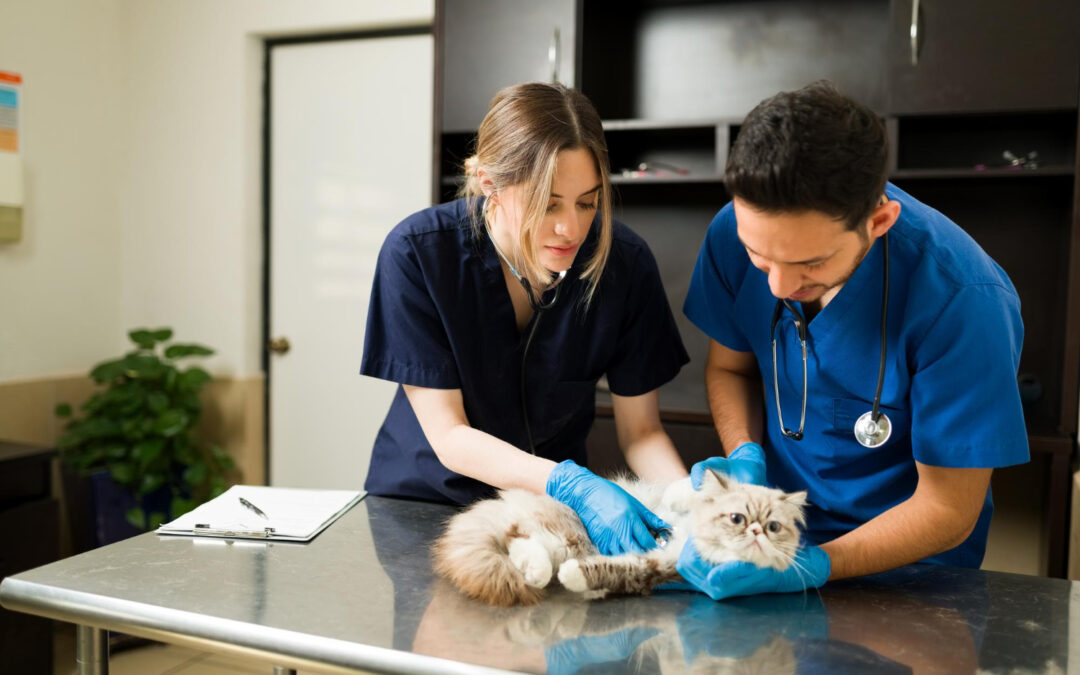
Pets are cherished members of many households, bringing joy and companionship to our lives. However, just like humans, our beloved animals can encounter accidents or health issues that require immediate attention. This is where first aid training for pet owners becomes invaluable. In this blog post, we will explore the importance of first aid training for pet owners and provide insights into how it can help keep your furry friends safe.
Why First Aid Training for Pet Owners Matters
First aid training for pet owners is not just a precaution; it’s a lifeline for your four-legged family members. Here’s why it matters:
1. Immediate Response
In emergency situations, quick action can be the difference between life and death for a pet. First aid training equips you with the skills to respond promptly and appropriately.
2. Preventing Further Harm
First aid training can help you minimize injuries and prevent existing conditions from worsening. It’s about stabilizing your pet’s condition until professional veterinary care is available.
3. Reducing Stress
During a pet emergency, stress and panic can cloud judgment. First aid training helps you remain calm and focused, providing the best care for your pet.
4. Comprehensive Care
First aid training covers a range of scenarios, including choking, injuries, poisoning, and heatstroke. You’ll be prepared for a wide range of situations.
5. Empowerment
First aid training empowers pet owners to take an active role in their pet’s well-being. You become your pet’s first responder, and your actions can be life-saving.
6. Immediate Relief
Sometimes, a pet may experience distress when a veterinarian is not readily available. Your knowledge of first aid can provide immediate relief and comfort.
Key First Aid Skills for Pet Owners
So, what are the essential first aid skills that pet owners should learn?
1. CPR (Cardiopulmonary Resuscitation)
Learning how to perform CPR on pets is crucial in cases of cardiac arrest or respiratory distress.
2. Wound Care
Understanding how to clean and dress wounds to prevent infection is vital.
3. Choking Management
Knowing how to assist a choking pet can be life-saving.
4. Poisoning Response
Identifying common toxins and knowing how to respond to poisoning is essential.
5. Heatstroke Prevention and Management
Recognizing the signs of heatstroke and providing immediate care can save a pet’s life.
6. Bite and Sting First Aid
Knowing how to respond to insect bites or snakebites is crucial, especially for outdoor pets.
How to Obtain First Aid Training for Pets
If you’re interested in obtaining first aid training for pets, here’s how you can get started:
1. Find a Certified Provider
Look for a reputable organization or provider that offers pet first aid courses. Organizations like the American Red Cross and local veterinary clinics often offer training.
2. Choose the Right Course
Select a course that suits your needs. Some courses are designed for pet owners, while others cater to pet professionals.
3. Attend the Training
Enroll in the course and attend the training sessions, which typically include both theoretical and practical components.
4. Practice and Certification
During the training, you’ll practice various first aid skills. After successfully completing the course, you’ll receive a certification.
5. Stay Informed
It’s essential to keep your pet first aid skills up to date by attending refresher courses as needed.
In conclusion, first aid training for pet owners is not only about taking precautions; it’s about being prepared and capable of providing immediate assistance when your pets need it most. Whether you’re a pet parent, a pet sitter, or simply an animal enthusiast, these skills can make a life-saving difference. By finding a certified provider, choosing the right course, and staying informed, you can ensure that you’re ready to keep your furry friends safe and healthy in times of need.
Read Also: The Role of First Aid Training in India’s Healthcare System | First Aid Training for Parents in India: Ensuring Your Child’s Safety
Recent Comments