
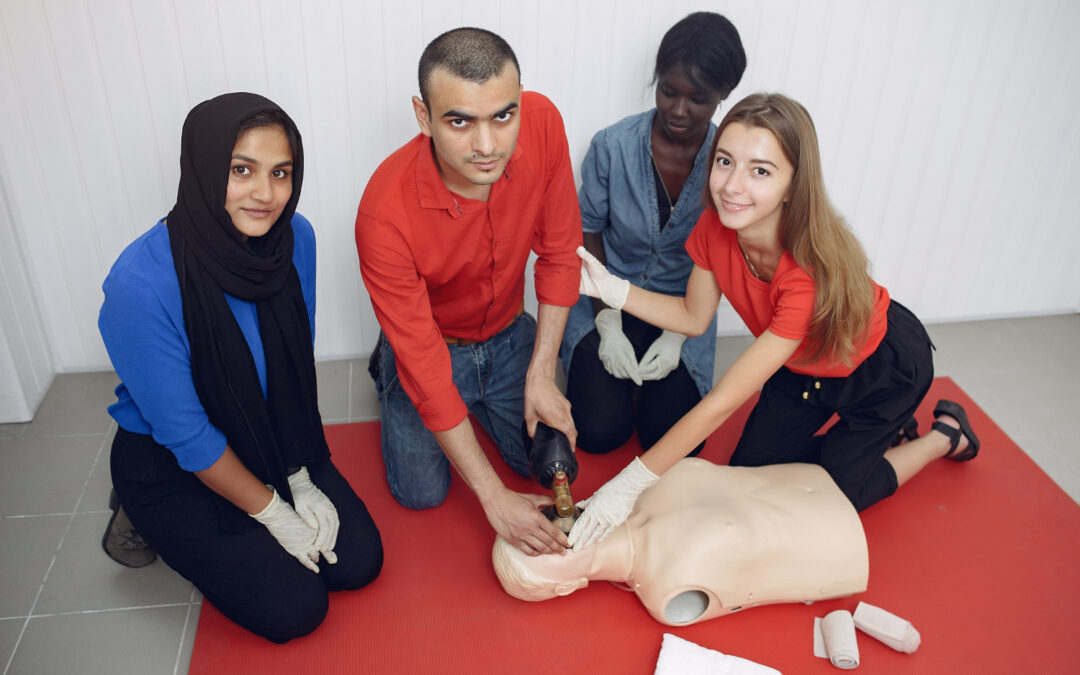
Emergencies are unexpected, yet they are an unfortunate reality of life. In a country as diverse and dynamic as India, where millions of lives intersect daily, the need to be prepared for emergencies is paramount. First aid training, a critical component of emergency preparedness, plays a pivotal role in equipping individuals with the knowledge and skills to respond effectively in times of crisis. From urban centers to rural communities, the importance of first aid training in India cannot be overstated as it contributes to a safer and more resilient nation.
Empowering Individuals in Critical Moments
When faced with an emergency, the immediate response is often the most crucial. First aid training empowers individuals to take charge and provide essential care before professional medical help arrives. The ability to assess a situation, perform life-saving techniques like CPR, control bleeding, and immobilize injuries can greatly influence the outcome for the better. In a densely populated country like India, where accidents and medical emergencies are a daily reality, these skills are invaluable.
Raising Awareness and Preparedness
First aid training is not just about learning techniques; it’s about raising awareness and fostering a culture of preparedness. When individuals are educated about potential risks and trained in how to respond, they become proactive participants in their own safety and the safety of others. This heightened awareness translates to reduced accidents, minimized injuries, and ultimately, a safer environment for everyone.
Addressing Everyday Emergencies
From road accidents to sudden illnesses, India witnesses a variety of emergencies on a daily basis. Many of these situations can be effectively managed with proper first aid techniques. Knowledge of how to clear an airway obstruction, provide basic wound care, or assist someone experiencing a medical event can make a substantial difference in preventing complications and saving lives.
Bridging Gaps in Healthcare Access
India’s vast geographical landscape poses challenges in accessing timely medical care, especially in rural areas. First aid training acts as a bridge, enabling community members to provide immediate care in the absence of medical professionals. The ability to stabilize a victim and provide initial assistance can be the difference between life and death, particularly in remote locations where medical facilities may be far away.
A Lifeline in Disasters
Natural disasters and crises can overwhelm existing healthcare systems, leaving communities vulnerable. First aid training empowers individuals to step up as first responders, providing much-needed assistance to the injured and affected. Whether it’s during a flood, earthquake, or other calamity, those with first aid skills can make a significant impact in the aftermath of a disaster.
Promoting Health and Well-being
Beyond emergency situations, first aid training promotes general health and well-being. By learning to recognize signs of health issues and providing appropriate care, individuals can take proactive steps in managing their health. This knowledge can lead to early intervention and improved outcomes in non-emergency scenarios as well.
Inclusive and Accessible
First aid training is inclusive and accessible to individuals of all ages and backgrounds. It can be integrated into school curricula, community workshops, and workplace training programs. The diverse nature of India’s population makes it essential to provide first aid training that caters to different groups, ensuring that every citizen has the opportunity to be prepared.
In conclusion, first aid training is a powerful tool for building a safer and more resilient India. It empowers individuals to respond effectively in emergencies, promotes a culture of preparedness, and saves lives. By integrating first aid education into various aspects of society, from schools to workplaces, India can take charge of emergencies and create a nation where every citizen is equipped to make a difference in times of need.
Recent Comments